The Mediterranean Diet is an extremely healthy diet plan that is both easy to follow and can be adapted to fit almost any lifestyle. The most wonderful aspect of this diet is that you can make small modifications without compromising on the overall results. This article will discuss why a person might consider modifying the basic requirements of the diet and how this might be approached.
Although the Mediterranean Diet is ideal for optimal health and for fast weight loss, there are parts of the diet that may not appeal to everyone. For example, many individuals may not wish to drink a glass of red wine for diner because they do not want consume any alcohol. For these persons, they may chose to substitute grape juice, apple juice or some other type of juice instead of the wine. Some people may also choose to eat some additional fresh fruit rather than drinking the juice. In either case, a person may still be on a healthy diet plan and still not consume any wine.
Mediterranean Diet
The Mediterranean Diet can also be modified into either the vegetarian or vegan lifestyle. Although the diet specifies that a person has two to three meals each week with chicken or fish and one to three meals each month with meat, there is no reason a person can not just eliminate fish, chicken and red meal entirely from their diet.
The New Book of Middle Eastern Food Review
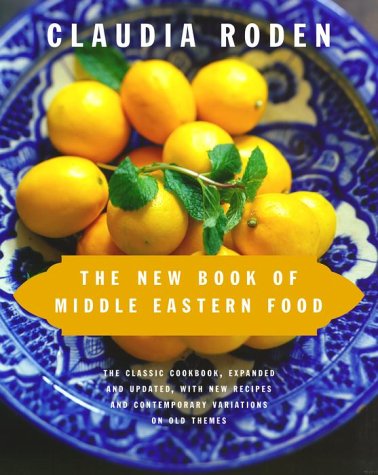
The New Book of Middle Eastern Food Feature
- ISBN13: 9780375405068
- Condition: New
- Notes: BRAND NEW FROM PUBLISHER! BUY WITH CONFIDENCE, Over one million books sold! 98% Positive feedback. Compare our books, prices and service to the competition. 100% Satisfaction Guaranteed
The New Book of Middle Eastern Food Overview
In this updated and greatly enlarged edition of her Book of Middle Eastern Food, Claudia Roden re-creates a classic. The book was originally published here in 1972 and was hailed by James Beard as "a landmark in the field of cookery"; this new version represents the accumulation of the author's thirty years of further extensive travel throughout the ever-changing landscape of the Middle East, gathering recipes and stories.Now Ms. Roden gives us more than 800 recipes, including the aromatic variations that accent a dish and define the country of origin: fried garlic and cumin and coriander from Egypt, cinnamon and allspice from Turkey, sumac and tamarind from Syria and Lebanon, pomegranate syrup from Iran, preserved lemon and harissa from North Africa. She has worked out simpler approaches to traditional dishes, using healthier ingredients and time-saving methods without ever sacrificing any of the extraordinary flavor, freshness, and texture that distinguish the cooking of this part of the world.
Throughout these pages she draws on all four of the region's major cooking styles:
- The refined haute cuisine of Iran, based on rice exquisitely prepared and embellished with a range of meats, vegetables, fruits, and nuts
- Arab cooking from Syria, Lebanon, and Jordan--at its finest today, and a good source for vegetable and bulgur wheat dishes
- The legendary Turkish cuisine, with its kebabs, wheat and rice dishes, yogurt salads, savory pies, and syrupy pastries
- North African cooking, particularly the splendid fare of Morocco, with its heady mix of hot and sweet, orchestrated to perfection in its couscous dishes and tagines
From the tantalizing mezze--those succulent bites of filled fillo crescents and cigars, chopped salads, and stuffed morsels, as well as tahina, chickpeas, and eggplant in their many guises--to the skewered meats and savory stews and hearty grain and vegetable dishes, here is a rich array of the cooking that Americans embrace today. No longer considered exotic--all the essential ingredients are now available in supermarkets, and the more rare can be obtained through mail order sources (readily available on the Internet)--the foods of the Middle East are a boon to the home cook looking for healthy, inexpensive, flavorful, and wonderfully satisfying dishes, both for everyday eating and for special occasions.
The New Book of Middle Eastern Food Specifications
Claudia Roden has updated and expanded her popular 1968 cookbook for a more savvy and knowledgeable audience. While still filled with old favorites, the third edition acknowledges food processors and other handy kitchen tools, as well as this generation's preference for lower-fat recipes. Not that every recipe is changed; many are not, but Roden does attempt not to rely too much on butter and oils.Begin your meal with mezze, derived from the Arabic t'mazza, meaning "to savor in little bites." Try Cevisli Biber (Roasted Pepper and Walnut Paste) spread on warm pita bread. Serve with Salata Horiatiki (Greek Country Salad) and then move on to a main dish of Roast Fish with Lemon and Honeyed Onions or Lamb Tagine with Artichokes and Fava Beans. The cookbook wouldn't be complete without sections on rice, couscous, and bulgur--try Addis Polow (Rice with Lentils and Dates) or Kesksou Bidaoui bel Khodra (Beber Couscous with Seven Vegetables). Finish with a traditional dessert like Orass bi Loz (Almond Balls).
Mixed in with the recipes are Roden's personal experiences as a cook and recipe archivist, and Middle Eastern tales that illustrate the history of a particular recipe or food group. "It was once believed olive oil could cure any illness except the one by which a person was fated to die," Roden writes. "People still believe in its beneficial qualities and sometimes drink it neat when they feel anemic of tired." She also includes a detailed introduction to the terrain, history, politics, and society of the Middle East so her readers can more fully understand why the cuisine has evolved the way it has. "Cooking in the Middle East is deeply traditional and nonintellectual," she says, "an inherited art." It's our good fortune to inherit such a rich tradition. --Dana Van Nest
Available at Amazon Check Price Now!
*** Product Information and Prices Stored: Apr 08, 2011 16:05:10
The fact is that any person under this healthy diet plan is already practicing either a vegan or vegetarian diet three to four times each week. There is no reason a person can not do this to all of the time.
Another small modification that can be made to the diet is by eating more rice in place of some of the potatoes, breads and nuts that are a basic mainstay of the diet. A small amount of rice in a person's diet should not compromise with the overall effectiveness of this health diet plan.
As you can see, you can make small modifications to the Mediterranean Diet and still maintain the basic integrity of the diet.
Healthy Diet Plan - Why The Mediterranean Diet Is So VersatileRelated : Best Beauty For You

No comments:
Post a Comment